

La naissance du projet vezanne
Malicorne et sa faïence endormie
Malicorne-sur-Sarthe. Un village, des histoires, un patrimoine faïencier.
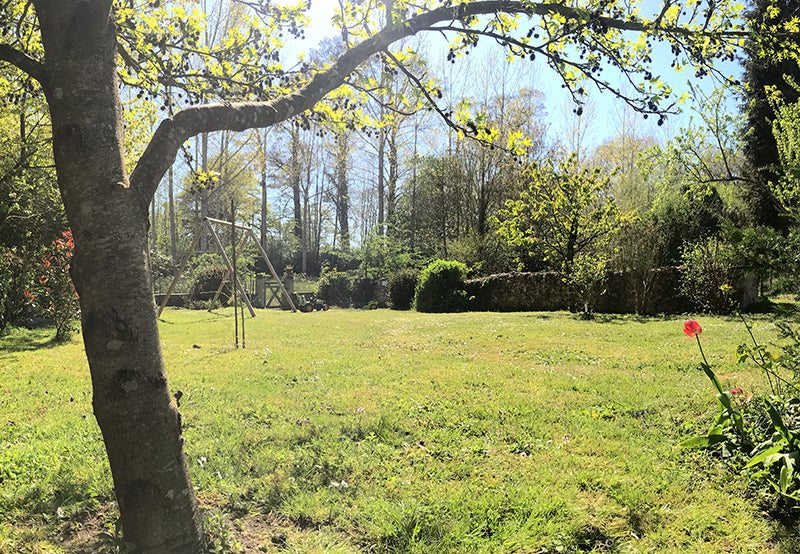
Notre fief
Nous habitons avec ma famille une maison au cœur du village dans la cité faïence, au bord de la Vézanne, petit ruisseau qui se jette dans la Sarthe.
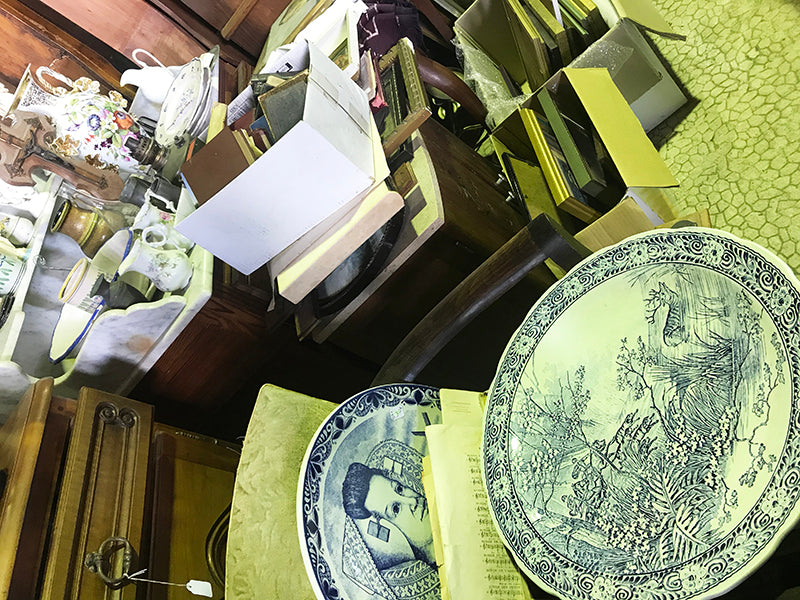
L'art faïencier
Depuis 1747, un grand nombre de maîtres faïenciers ont œuvré à Malicorne, Jean Loiseau, Léon Pouplard, Émile Tessier, Roger François … Des œuvres d’artisanat d’art par milliers sont sorties des fours. Certaines pièces existent toujours, sont transmises de génération en génération, d’autres se retrouvent dans l’attente d’une nouvelle vie dans des brocantes et d’autres encore retournent à l’état de fragment, détruites.
Autrefois, un grand nombre de céramiques ébréchées ou cassées étaient jetées par les faïenciers dans les jardins et dans le ruisseau, la Vézanne qui longe les faïenceries et maisons de bourg. Les anciens de Malicorne nous rapportent que ces morceaux de faïences, ces tessons étaient très utiles et servaient de remblais et permettaient d’aérer la terre des jardins. C’est pourquoi encore aujourd’hui, il n’est pas rare de retrouver des tessons enfouis sous terre depuis de nombreuses années.
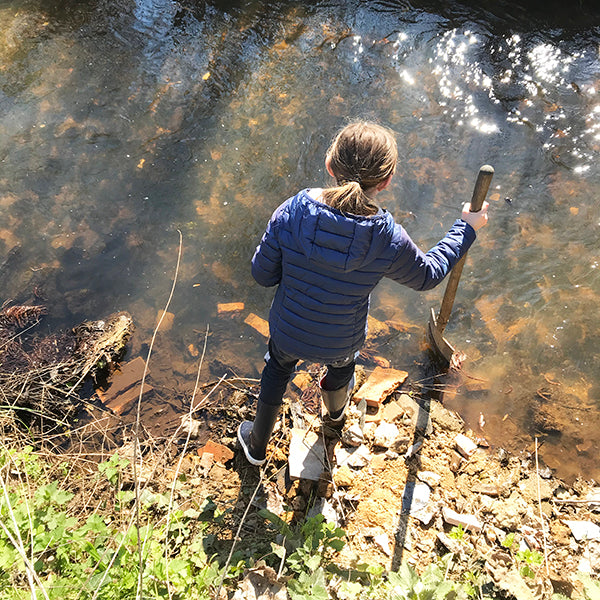
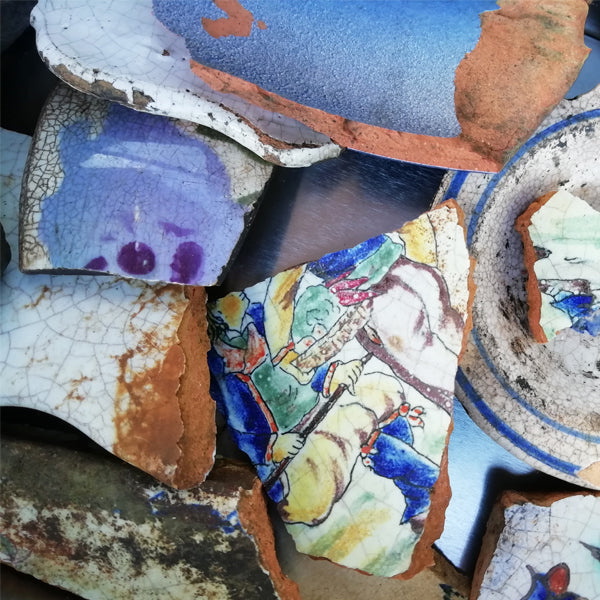
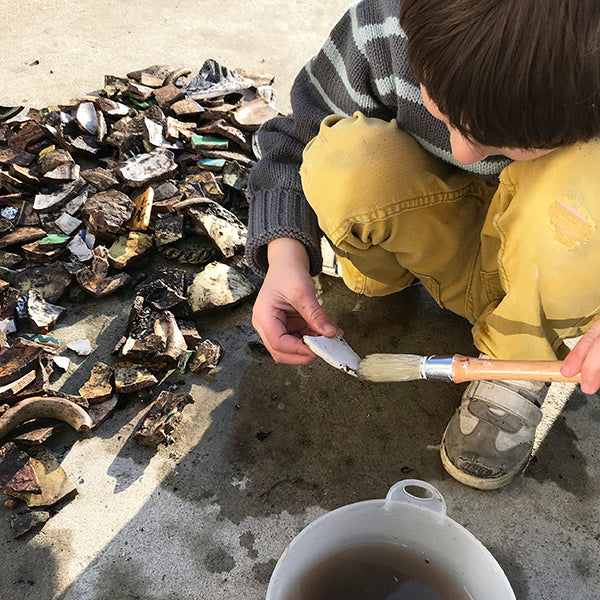
Pendant le temps long du 1er confinement au printemps 2020, Garance, ma fille de 7 ans s’amusa à fouiller la terre du jardin. Elle chercha pendant des heures, retourna la terre du potager avec ses outils, telle une archéologue à la recherche de vestiges enfouis depuis tant d’années.
C’était un jeu pour Garance et son petit frère Grégoire. Ils mettaient les tessons dans leur seau. Puis les lavaient délicatement à l’aide d’un pinceau. Sous nos yeux émerveillés apparaissaient différentes couleurs, des bribes de décors …
Ils les collectionnaient et les triaient par décors et par couleurs.
Pourquoi vezanne ?
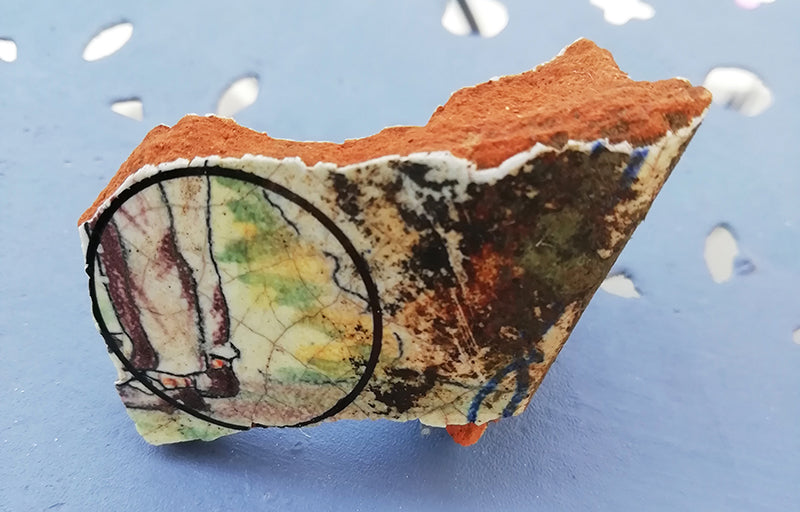
En contre bas de notre jardin, coule la Vézanne dans laquelle nous avons trouvé des tessons de Léon Pouplard.
Ces fragments de céramiques sont restés dans un très bel état de conservation. L’émail a certes subi les effets du temps et se trouve patiné, mais les motifs aux décors bretons chers à Léon Pouplard sont restés splendides et finement réalisés.
LA création
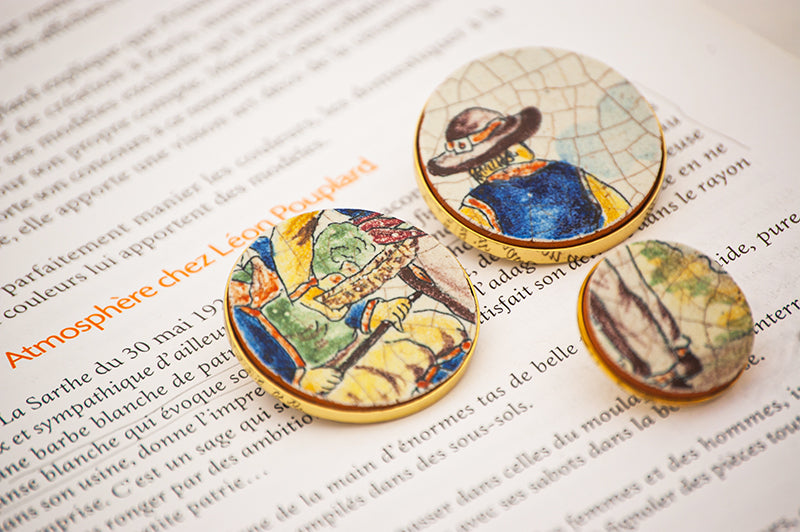
De ce trésor en sommeil et enfouit sous terre, le désir très fort de lui donner un nouvel usage et une nouvelle esthétique.
La céramique upcyclée.
C’était une évidence.
Ce fut un déclic, un signe. Le moment était venu pour moi de raconter la faïence autrement et de la sublimer.
Est né le concept.
En voir plus

What gift should I give for a 9th wedding anniversary?
Nine years of marriage and a beautiful journey together. To mark this special anniversary that has united you for nine years, the Vézanne workshop offers beautiful gift ideas with a selection of me...
Lire plus